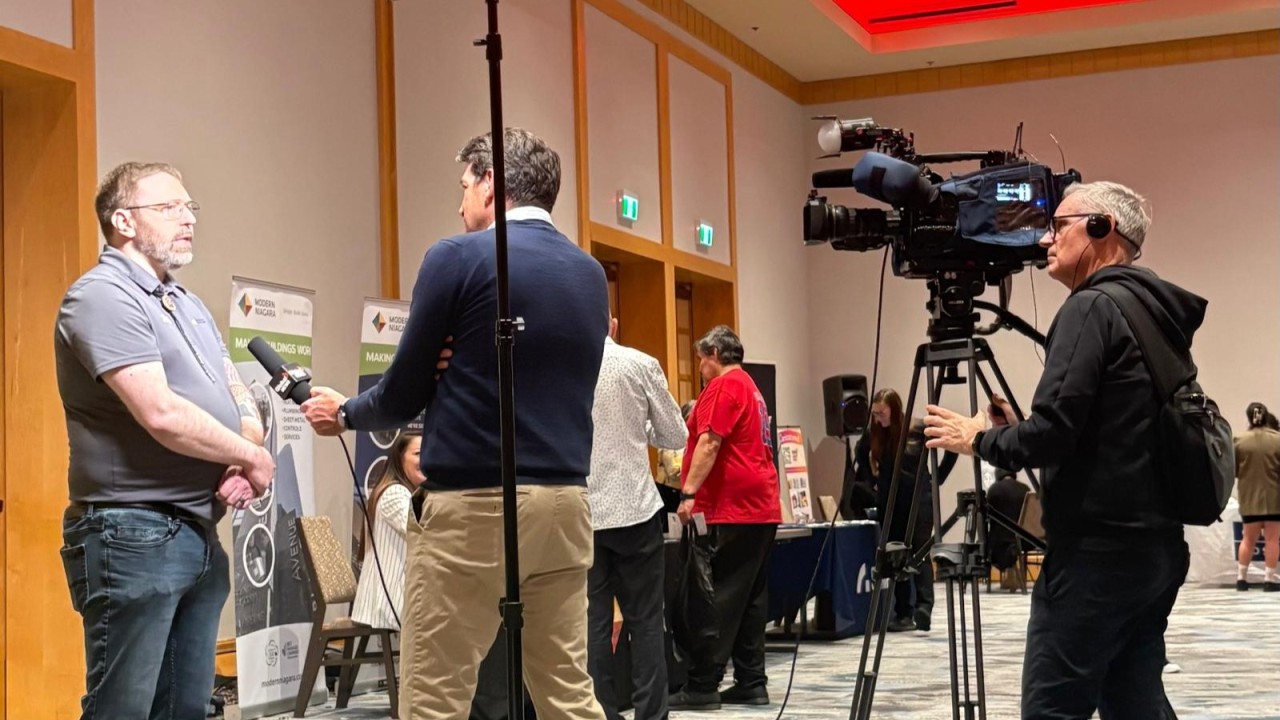
The foundation of PR, in relation to media and digital profile, has always been the value of earned media and digital content. This third-party endorsement by a journalist, digital news leader, or social media content creator, that a specific story, angle, or profile is worth sharing, shows a variety of communities and stakeholders that there is legitimate value and timely significance associated with your brand's message.
This remains true.
Although every PR team has their own model of service, I believe that as a public relations professional, my media relations services should be based on working with a client to find their timely, relevant, and sometimes powerful, news and stories, while pitching and securing earned news or digital content and securing this without payment to the platform. That is ultimate success in PR as it builds trust with the communities and stakeholders a brand or individual is keen to reach via public relations.
This differentiates the PR model from advertising and other forms or marketing.
There are times when there is an exception to this foundational PR principle.
The PR industry has evolved with changes in the media space, evolution of digital, and increase in the influence or both far-reaching social media content creators, in addition to micro-influencers, who have a smaller online community, but often reach a loyal and highly engaged online community.
There are unique times when a paid partnership, or sponsored content, is appropriate and this can be for the following reasons:
- The client has valuable information to share that may not meet the criteria for news, especially with downsized newsrooms when there are fewer journalists to cover specialized stories.
- The topic is sensitive and the client would like to convey specific messaging with control over content.
- There are social media content creators who produce beautiful online content, and who can reach specialized demographics. Work goes into preparing this visual content, and select paid influencer partnerships mixed into a PR strategy can be beneficial.
- Sometimes there is urgency involved in sharing a message and a brand does not feel that they can wait on media or digital timelines. In this case, they may consider sponsored content that their PR partner can help them to draft and secure with a specific media outlet or digital news website.
When considering a PR partner, ask them how, and if, they incorporate paid content into a PR strategy. Depending on your needs and the news you would like to share, the answer will vary. That said, a general rule is that at least three quarters of a PR partner's work should be efforts to generate earned coverage. Sponsored content and paid partnerships can be appropriate for about one quarter of the PR results they plan to secure.
Paid vs. earned content is something that you should discuss with a potential PR partner before engaging with them for your public relations needs.
Originally published on LinkedIn.